


RESIDENTS CHANGE: MISERICORDIA HELPS NAVIGATE THOSE CHANGES 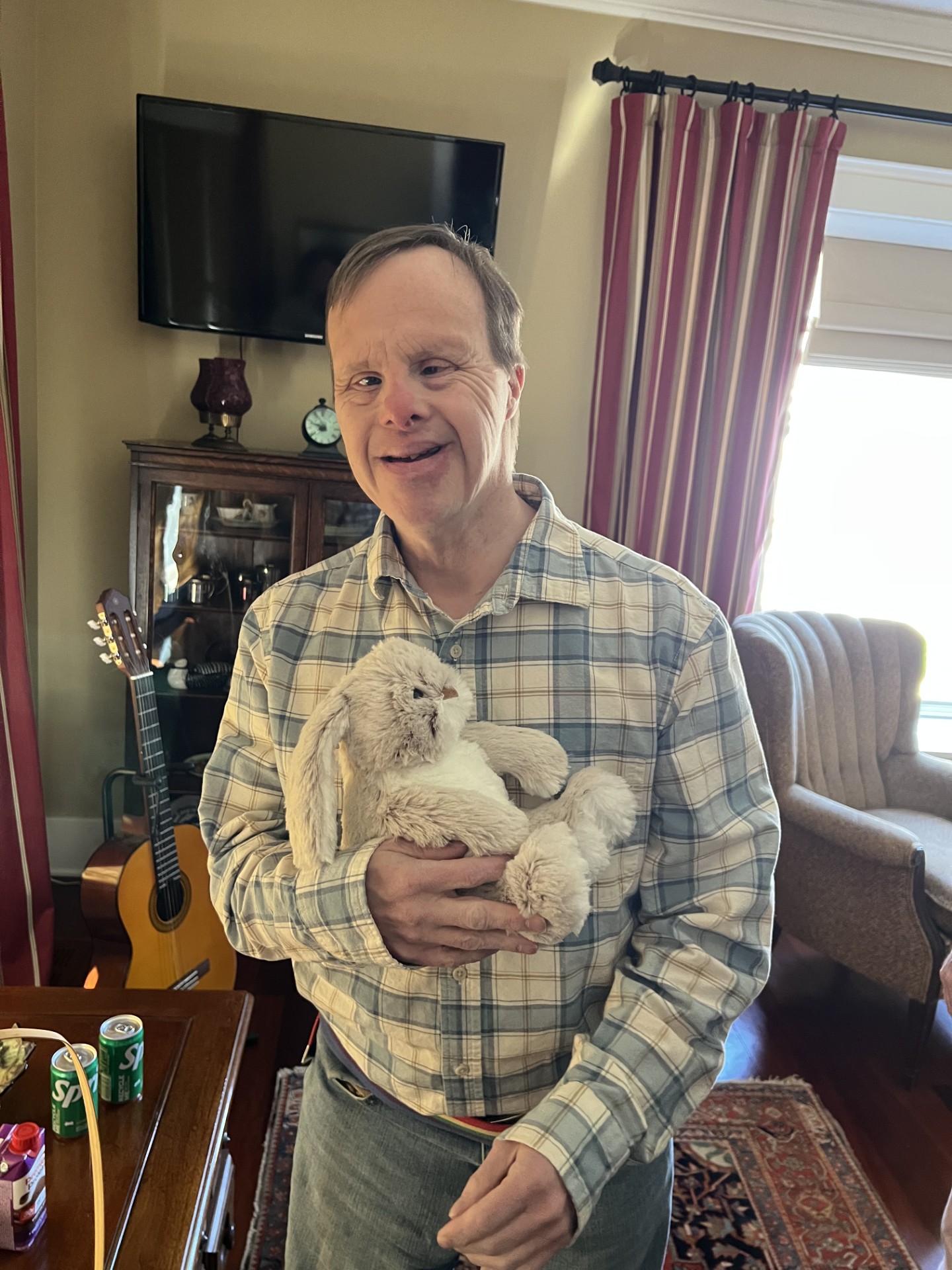

by Barb Quaintance
During the Aging With Grace webinars, staff from a variety of disciplines—Speech, OT, PT, Behavior, Nutrition, etc., shared what they look for as residents age. It raised the question: Is anyone taking a holistic look at the residents’ functional changes? It’s Misericordia, so, of course, the answer was Yes.
Chris Hegg Krackenberger, VP of Residential Services, explained that residents are routinely assessed at “functional change” meetings. These are interdisciplinary meetings when staff take a look at behavioral, physical, or functional changes that they observe in a resident. Some residential areas, such as McAuley and Marian Center, hold these meetings monthly. Other residential areas do them on a quarterly or as-needed basis. For example, if a Qualified Intellectual Disabilities Professional (Q) notices that a resident is not functioning as they have in the past or is exhibiting new behaviors, the Q will request a meeting to gather input from behavioral and physical therapies, DT/CDS, etc. The group shares what they see to determine a plan of action. This may include medical follow-up as well as strategies to help the resident cope and adapt to the changes they’re experiencing.
Families may request a functional change meeting for their resident. No matter who initiates the process, the family is involved with the assessment and follow-up recommendations.
Mary Boyd recently went through this process with her beloved brother, Tim. Tim is 55 years old and has lived at Misericordia for most of his life. Tim began his Misericordia journey living happily in three different homes in the Village before moving over to Mercy Glen several years ago. In recent years, Mary and her family saw Tim change and experience medical setbacks. He broke his ankle the month before the COVID shutdown, and two years later, his hip, which necessitated months in rehab; Tim now uses a walker.
Tim has also changed cognitively. Tim, who has Down Syndrome, began to show the signs of dementia, having become more tentative and unsure at times and heightened emotionally at other times. Home visits became tricky due to Tim's transitions. Last summer, staff convened a functional change meeting with Mary and the family. They noted how Tim had changed and compassionately projected what he would need in the future. The decision was made to transfer him to Quinlan Terrace; this happened in February when a spot became available. Mary said that the transition was initially quite hard for Tim—and for her and the family—but is happy to share that Tim is settling in. She believes Quinlan is the right home for Tim and appreciates how all staff are making him feel safe, welcomed, and loved. A post-move all-staff meeting that Tim attended was very helpful and productive.
If you would like to initiate the functional change process for your resident, contact your Q or Residential Director.

Send yours to