





by Diane Carpenter
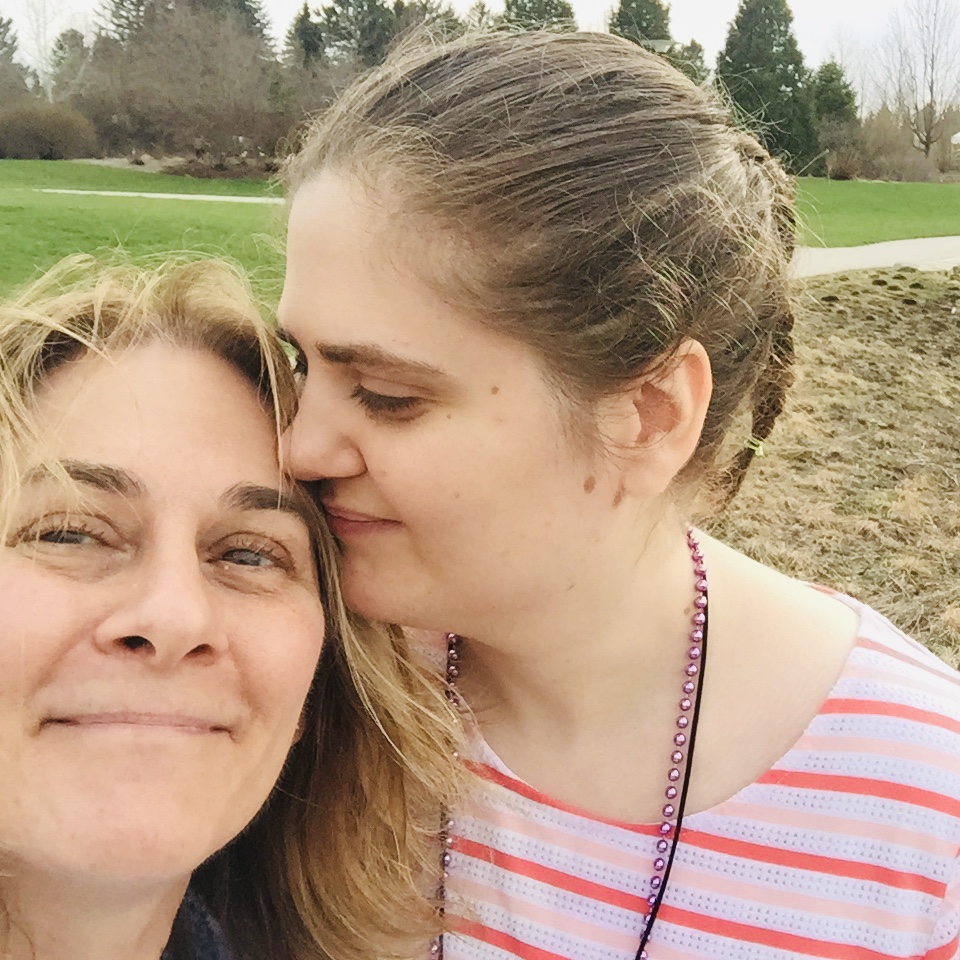
When our daughter Beth was diagnosed with autism at the age of 2 ½ and the severity of her disability became apparent, the never-ending worry began of who would take care of her when I no longer could.
As she got older, the realization that she would need to live in a residential facility someday was too heart breaking to contemplate, so it got pushed back to the “I’ll think about that later” part of my brain.
23 years ago when Beth was 14, Rob, a friend of ours whose daughter lives at Misericordia, told us all about Mis. He and his wife took us for lunch at the Greenhouse Inn and arranged for us to go on a tour to see what Mis was all about. We were quite impressed. I picked up an application which sat on my desk for 6 years because I wasn’t mentally ready to fill it out. Rob then gently reminded us that we should at least get the application in. So, I called Mis and got an updated one, and it sat on my desk for another 6 years.


by Judy Wall
Christy was our first child and first grandchild for my family. Joy and excitement were ours during her early weeks and months. I began to get my feet under me as a mom, Jim adjusted to the newness of being someone’s dad, and Christy, well Christy was a happy, healthy, beautiful, bright infant full of smiles and coos. In December of 1977 Christy turned 5 months old, her seizures began, and life as we knew it ended. Any simple assumptions we had about the road ahead were erased, although we did not yet know this. The first seizure lasted 2 hours, brought an ambulance ride, a hospitalization, tests, and anticonvulsants. As well as the hope that terrible experience would never recur. Of course, within a few weeks another seizure came, and now through her 45 years they have never stopped coming. They sneaked around every anticonvulsant and treatment and continued to cause damage. As the years have gone on, they have robbed my precious daughter of so much. But those of you who know Christy see a happy, smiling, joking girl who has boundless love to give.

by Linda Buchalo
The Shannon Apartment building was constructed in 1991, thanks to the generosity of Brian and Sue Shannon. The building is situated on the perimeter of the campus, directly across the road from the Moore Aquatic and Fitness Center.
Shannon Apartments is currently home to 56 male and female residents who are moderately independent and able to perform daily living activities with limited assistance. Staff are available to provide guidance, supervision, training, and other assistance. The apartments are also home to some very special residents, including Sr. Rosemary and Fr. Jack.
While Shannon Apartments has had various renovations over the years, the basic structure of the building has remained the same - a multi-unit dwelling with a large common gathering and dining area. Residents live within their own apartment, and these vary in size, serving between one to five people. The building is co-ed but each apartment is all male or all female. Each apartment has its own living room, dining room, and kitchen, in addition to the bedrooms and bathrooms. There are several offices and a meeting room on the main level. The lower level has a social center, game room, computer room, and three-lane bowling alley. These rooms are well-used, but during the recent pandemic, residents were especially appreciative of these extra amenities.

by Linda Buchalo
Our next stop on the tour of Misericordia residences takes us to Mercy Glen, the home of 47 very fun-loving and outgoing individuals. This group definitely enjoys life to the fullest.
Mercy Glen comprises four ranch-style homes that were constructed in 2010. Three of the homes are all-male and the fourth serves female residents. Each home has a main living area and kitchens as well as a large lower-level social area. The bedrooms are divided into single and double rooms, for a total of twelve beds per house. Patios and gardens provide a place for gathering outdoors.
Each home is staffed by three people per shift. The residents at Mercy Glen benefit by additional support from staff for activities of daily living and navigation within the campus. All the homes are a short walk to support services and the campus amenities, maximizing the quality of life for Mercy Glen residents.

By Kathryn Moery
Those two magnificent floors in the building above the new Misericordia Hearts & Flour Bakery and Café invite the curious eye upward from street level. These floors house the Ravenswood programs, which include the art studio for Misericordia residents, and coffee production, creating more opportunities for competitive employment in the community. Visiting the building with Michael Diaz, Administrator of Employment Services and Community Day Services, and Charles Carper, supervisor of the coffee packaging program, we talked and toured the upper floors of this incredible site to see what is happening, and to learn what the future holds.
The second-floor art studio enjoys panoramic terrace views. On any given day, six to eight residents will find inspiration for creating their Artist in All works under the guidance of Allison Slak, a painter and jewelry-maker in her own right. The views outside on the terrace may activate the creative juices and rhythms to flow, but Allison also integrates chair yoga outdoors on the terrace to encourage spirituality and sensory stimulation. On our recent visit, we encountered colorfully masterful renderings of ’57 Chevies, the greens of a peaceful golf course, and the leaves of a tree bursting forth with color as the artist worked. These artists will receive fifty per cent of the proceeds of the sale of their art, closely comparable to private art sales by artists in the community at-large.

by Linda Buchalo
Our second stop on a tour of residential areas on the Misericordia campus takes us to the Marian Center, which is the oldest residence. The campus was once home to the Angel Guardian Orphanage, which closed in 1974, and both the main building and Marian Center now stand in that exact spot. Constructed in 1976, Marian Center is situated within the main building and has two floors, ten apartments, and 88 residents. The apartments are evenly divided—five male and five female living spaces.
Apartments in the Marian Center are designed with an open concept for living room, dining room, and kitchen. To ensure the safety of the residents, kitchens do not have a stove. Each apartment has four or five bedrooms, a den, a control station and laundry room for dirty clothes and storage. Over the years, the space was renovated, with updated flooring, new furniture, updated decor, and an HVAC/air filtration system controlled at the touch of a button. Recently, the project to update the bathrooms, which was halted by the pandemic, has begun again.


by Linda Buchalo
(Author’s Note: This article was written during the pandemic and reflects the restrictions in place at that time.)
This is the first in a series of articles about the various residential living areas on the Misericordia campus. Today, we visit Quinlan Terrace, which opened in 2016. The four brick homes, located in the center of the campus, were specifically designed to address the evolving nursing, therapy, and healthcare needs of residents with Alzheimer’s, dementia, and other age-related conditions. Quinlan Terrace is the long-awaited answer to Misericordia’s need to provide for an aging population.

by Brian Kearney
Life centers around food everywhere, including at Misericordia. Anthony “Tony” Kearney Jr., our oldest brother at Misericordia, smiles and says, “Many people eat. It is Mr. Bob Noga who cooks the meals for our home.”
Over 1100 employees, 600 residents and many volunteers eat every day, every month, every year on the 64-acre Misericordia campus. In addition to preparing food for all these people, Misericordia also operates a restaurant, The Greenhouse Inn, the Hearts and Flour Bakery, the Hearts and Flour Bakery & Cafe, and The Misericordia Sweetheart Shoppe in Glenview. And there are also shipping orders, sales at various pop-up tents, and holiday stores.
by Ann Wilson
Many of us enjoy Misericordia’s beautiful, leafy campus, with its modern brick buildings, impeccable landscaping and a happy, positive vibe. The campus we know today was the vision of Sister Rosemary Connelly. With the help of her brother-in-law, Bob Connolly, then several decades later, her nephew, Hugh, she spearheaded a slow, steady improvement plan that began in the 1970s and continues today.
In March 1976, 39 children moved to Misericordia North from their south side location, and the campus was in general disrepair. Bob Connolly was the first person to work at the site. Prior to his arrival, it had been the vacant location of the former Angel Guardian Orphanage. Bob spent the first two years readying the stage for the campus we know today. He successfully oversaw the rezoning of the entire property to a Planned Unit Development which allowed Misericordia to legally build and operate a multitude of dwellings. Bob created a master plan; he tore down approximately 80% of the old buildings that could not easily be made to meet the new life safety codes and renovated those that could be repurposed. He installed all of the site utilities and infrastructure that Misericordia currently uses to support both the renovated buildings, as well as the newly-built buildings. Additionally, Bob had overseen the physical planning and physical development of Misericordia‘s campus for 30+ years. He was also responsible for the development of each of the off-campus CILAs, often searching for, and finding them, himself.


by Ann Wilson
Every organization faces technology challenges, whether it’s upgrading their network system, increasing security protocols or implementing programs that collect and organize data for various purposes. Several years ago, the administration team conducted an in-depth technology assessment that highlighted some technology challenges, leading the team to create an IT leadership role. Several months and many interviews later, Scott Thompson was hired as the CIO of Misericordia.
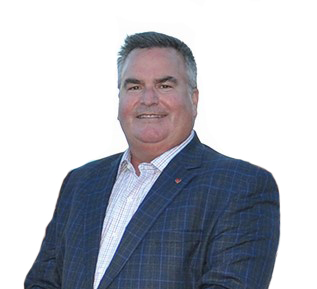
Thompson originally heard of a position from his Edgewater neighbor whose daughter is a resident at Misericordia. A graduate of Purdue with a degree in Electrical Engineering, followed by a Masters of Information Technology from Northwestern University, he has worked in several industries including satellites for Hughes Aircraft, web applications for Cision and industrial machines for Continental.
Page 9 of 12